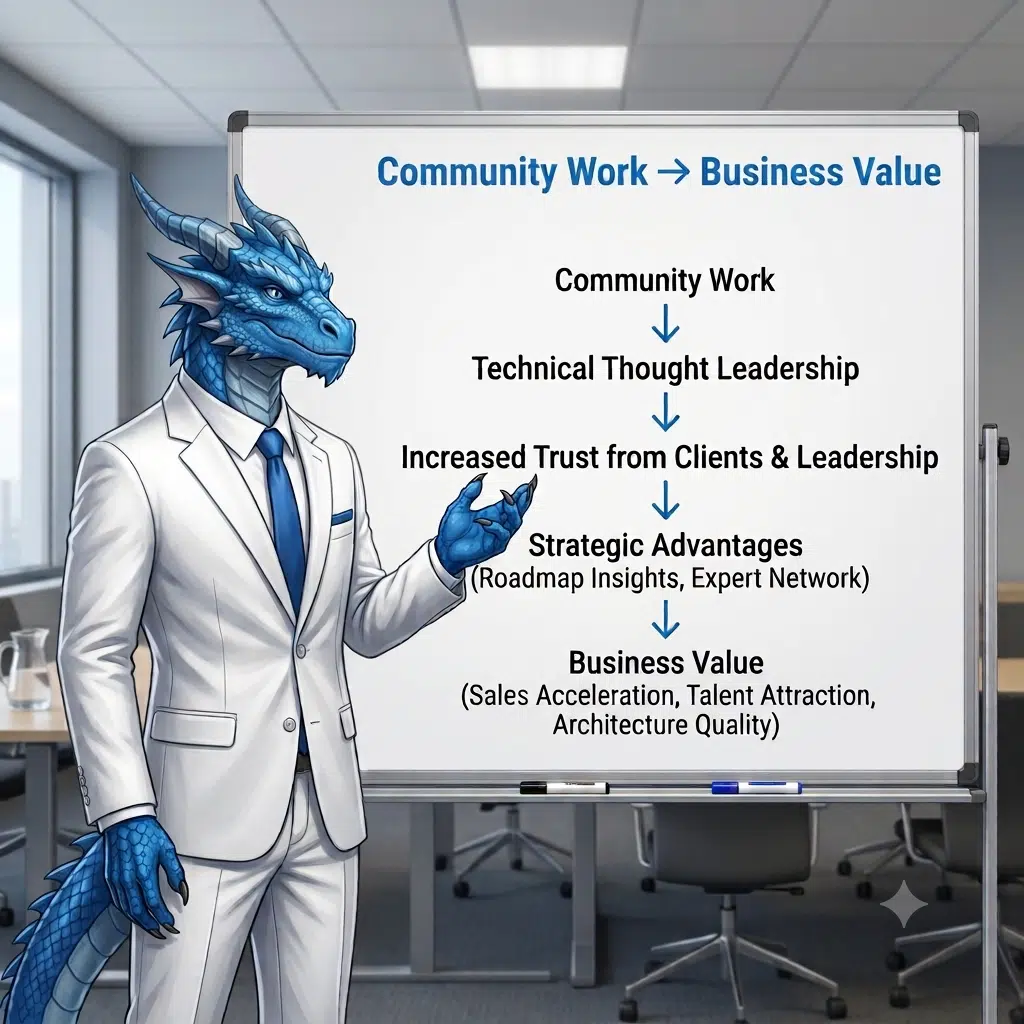
In this article you’ll discover why the familiar notion of technical debt goes well beyond code—and how in the hybrid-cloud and infrastructure world, the real culprit is often timing. You’ll get insight into how delayed upgrades, aging hardware, cloud/edge drift and integration mismatches all accumulate cost and risk. And you’ll walk away with a framework you can apply to your architecture review or operational planning today.
Table of Contents
Introduction on Timing Is Infrastructure Debt
We’ve long treated technical debt as a software problem: messy code, legacy frameworks, missing tests. But if you take a step back and look across your hybrid-cloud estate—on-premises racks, edge-sites, cloud services, identity layers—you’ll see the same pattern emerging.
Time has a cost.
In his article “Timing Is the New Technical Debt”, Martin Stühmer hit a vital point: delaying upgrades or migrations isn’t benign—it’s an interest-bearing liability. That insight fits especially well into infrastructure and hybrid-cloud architecture, where the pace of innovation is relentless and the cost of standing still only grows.
Why Timing Carries More Weight in Infrastructure and Hybrid Cloud
Infrastructure is no longer static. The half-life of hardware, firmware, OS support and cloud connectors is shrinking. Meanwhile, hybrid-layouts link on-premise environments with cloud and edge. Any delay in one domain bleeds into the others.
Let’s look at what this means and how Adaptive Cloud will make your interest for technical debt higher, but also provides the tool to automate the reduction of it.
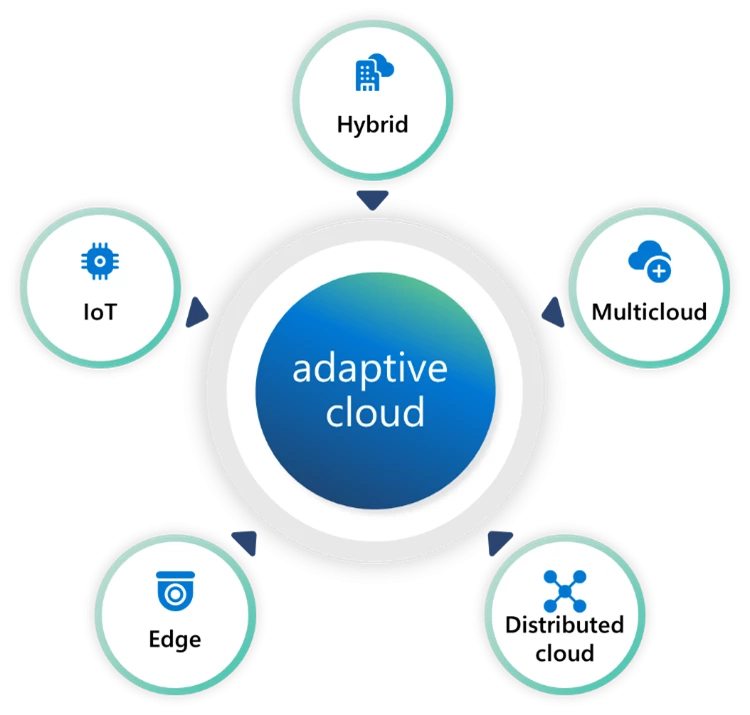
Support windows closing
Your server firmware, hypervisor version or storage platform is tied to a lifecycle. If you postpone the upgrade, you step into a zone where vendor support is limited or non-existent. You might keep running—but you pay: higher risk, limited patches, fewer spare parts, rising complexity.
What was “next quarter” becomes “now urgent”.
Cloud innovation out-paces you
Cloud vendors are publishing new services, interfaces and integrations at a pace that on-prem systems simply cannot match. If your identity federation, network segmentation or hybrid-connector remains on older versions, you’ll struggle to keep parity. Suddenly you spend more time maintaining bridges than building value.
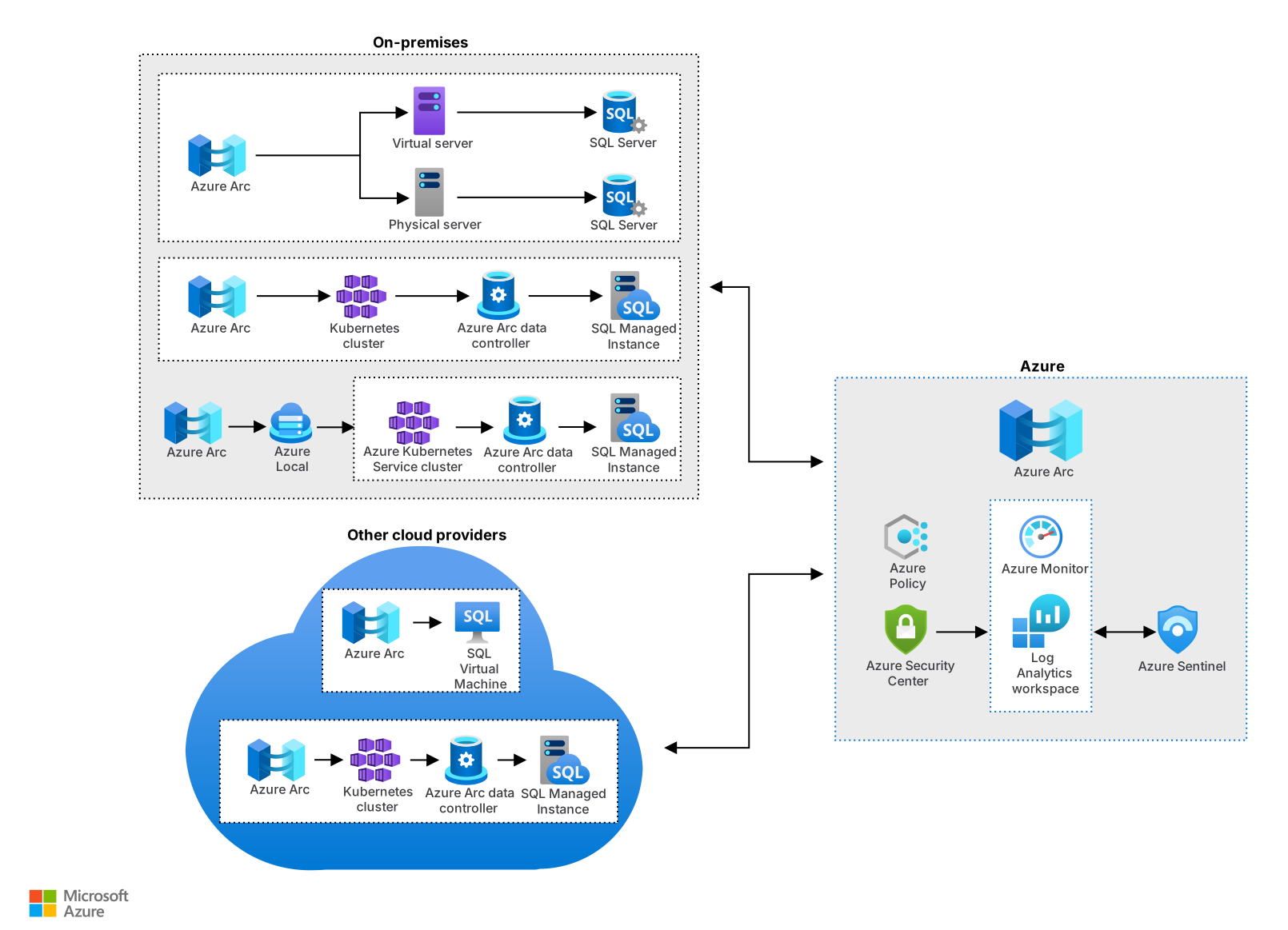
This is how your SQL environment could look like, when it’s connected using Azure Arc across On Prem, Other Cloud providers and Azure. Azure will give you the tools to manage the dependencies and updates automatically with one control plane.
Interdependencies carry the knock-on cost
In a hybrid stack every layer is a dependency: network, identity, compute, storage, monitoring, security. A delay in one component means workarounds in others—manual patches, special rules, exceptions. Each workaround is paid for in effort, risk and inertia.
Once you accept “one more year” of delay, you implicitly sign up to pay for the consequences.
Defining Infrastructure Timing Debt
Infrastructure Timing Debt is the additional cost—operationally, architecturally and risk-wise—that builds up when lifecycle upgrades, migrations or platform refreshes in hybrid-cloud systems are postponed beyond their optimal window.
It’s not just what you chose, but when you fail to act. Each month of delay adds what you might call “interest”:
- more operational hours dedicated to patching and workarounds,
- higher exposure to security or performance risks,
- harder integration with modern systems,
- greater effort required when you finally commit to upgrade.
In other words: time is a dimension of debt.
Real-World Scenarios You’ll Recognise
Scenario A – The deferred hypervisor
Imagine a cluster still running on vSphere 6.x. You keep telling yourself: “We’ll migrate next quarter.” Meanwhile:
- Firmware is outdated, vendor support is waning, hardware gets older.
- Cloud-tooling expects newer OS/hypervisor versions—your integration stalls.
- When you finally get round to migration, it’s no longer a small project—it’s a major rip-and-replace.
Delay has multiplied the cost.
Scenario B – Cloud evolves, on-prem lags
Your cloud team moves to a new native service version that requires updated identity federation, TLS, or network configuration. But the on-prem side is quiet: legacy OS, older connectors, manual scripts. Hybrid functionality begins failing, support becomes less reliable, your operations team spends more time firefighting than innovating.
The debt here is the gap you accepted. A good example why Timing Is Infrastructure Debt.
Keep an eye on your global fooprint and use Azure Arc to check the status of your on premises and cloud environment with one control plane.

Scenario C – Edge/IoT drift
An edge site you deployed years ago runs fine—but it never got the update. Now cloud-management, telemetry or modern encryptions aren’t supported. You discover it when you try to roll out a new security baseline. What seemed stable becomes brittle. Your “legacy hold-on” morphs into a liability.
A Framework to Manage Timing Debt in Hybrid Environments
To avoid waking up one day buried under this debt, you need a framework. Here’s one I recommend:
- Take stock of lifecycles. Document OSes, hypervisors, firmware, cloud connectors, gateways. What is at EOL? What support is reducing?
- Map the dependency chains. Ask: if this layer lags, what else suffers? Backup, network, identity, cloud sync?
- Quantify the cost of delay. Estimate how many extra hours of patching, manual workaround or troubleshooting you endure per quarter of delay. That’s your “interest”.
- Assign clear ownership and visibility. When you skip an upgrade, label it as “deferred debt” in your backlog. Make it visible.
- Anchor modernisation waves. Set rule-based cycles—e.g., “hypervisor baseline by Q4”, “cloud connector refreshed within 60 days of new release”. Make timing part of your architectural discipline.
Practical Strategies You Can Use Today
Here are concrete tactics:
- Leverage tools like Azure Arc to decouple your hardware refresh cycles from your OS/lifecycle readiness.
- Institute regular upgrade/migration windows—annual or semi-annual—so upgrades become part of rhythm, not a random fire-drill.
- Use automated dashboards and policies to monitor drift: e.g., OS versions, firmware levels, patch compliance, hybrid-connector versions.
- Budget for modernisation. Recognise that when you delay, it isn’t “free”—you are incurring debt.
- Treat each postponed component as a formal debt item: log it, assign risk, plan its retirement. Don’t ignore it.
Conclusion on Timing Is Infrastructure Debt
If you’ve read this far, you know the stakes on Timing Is Infrastructure Debt. In a hybrid environment where on-prem and cloud must seamlessly integrate, timing is no longer optional. Delay is not passive—it is accumulation.
In years past the mantra was “stability wins”. Today the mantra should be: “timely modernisation wins.”
If your architecture roadmap lacks dates, your operating budget lacks lifecycle refreshes, and your backlog lacks deferred-upgrade visibility, you’re not behind—you’re borrowing.
Pay attention. Audit your timing debt today. Because every month you wait is one more cost you choose to carry.
For more details on how to work on debt reduction and why “Timing Is Infrastructure Debt” is important, please check my other blog article “Overcome Technical Debt in IT Infrastructure 2025” and “IT and OT: Bridging the Gap with Modern Infrastructure Management“
If you have any questions please don’t hesitate to reach out to me on LinkedIn, Bluesky or check my newly created Adaptive Cloud community on Reddit.
LinkedIn: https://www.linkedin.com/in/andreas-hartig/
Bluesky: https://bsky.app/profile/hartiga.de
Adaptive Cloud community on Reddit: https://www.reddit.com/r/AdaptiveCloud/
Sources: